Clevedon-Under-Sea
The first of the autumn rain began to fall as I parked up and walked across Alexandra Road to Fawn in Clevedon. It was a bustling refuge, becoming increasingly popular as the clouds began to burst. I thanked the barista as I picked up my coffee in a ridged handleless cup and took a sip as I sunk into my chair. Having only been to Clevedon a handful of times, I held an image of a Victorian seaside resort that had clung onto the grandeur of yesteryear with the stalwarts of Greggs and Costa populating the high street in contrast to the independent cafes, bakeries, and restaurants that you get so much of in Bristol. As I continued to sip, I was happy to find a pulse of independence.
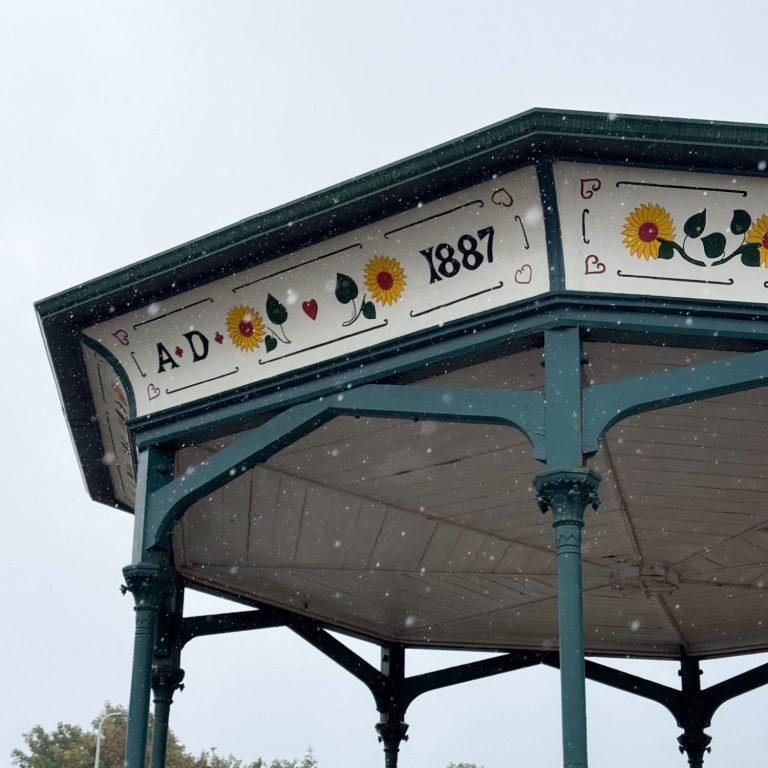
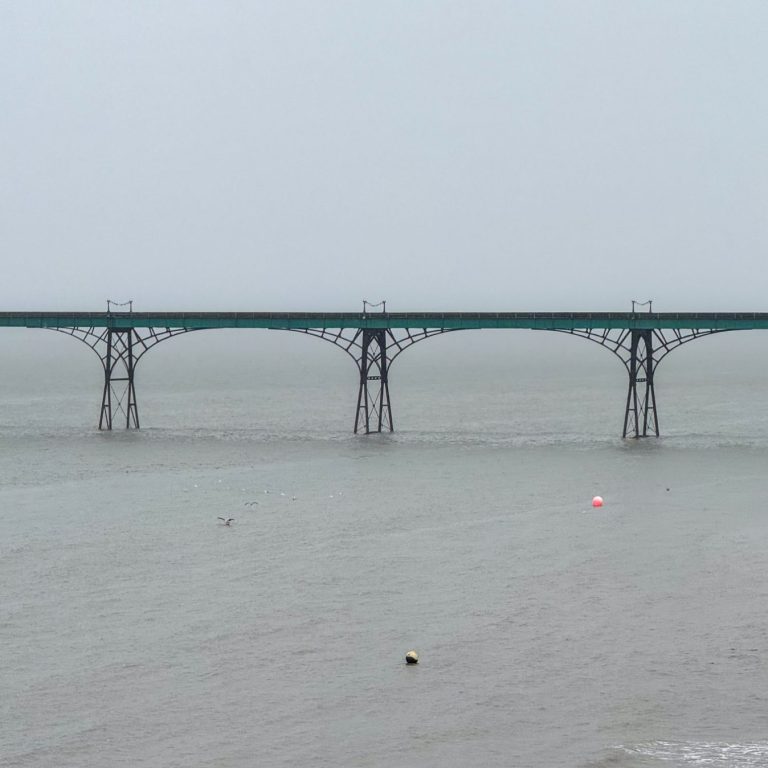
The summer had been long and hot; something we had not experienced since 2020 when lockdown was upon us and the sun beat endlessly on my gardenless flat. I finished my drink and walked out into the persisting rain. I changed into my waterproof coat, shoes, and chose some shorts, steering away from my Levis that would turn into a heavy burden after 100 meters. In truth, I was hoping for a bit of rain as I walked along the promenade. The greying skies melded into the silvery sea as the rods of water continued to fall, leaving only well-equipped walkers and joggers along the front. Streaks of rock cut through the beach with a blanket of seaweed pulled over the top. It’s not a summer beach hotspot because of this and, in part, because the Bristol channel is often brown, churning up sediment. The strong sea breeze carried the scent of old seaweed from the beach, whilst the Little Harp Inn was firing up their grills for the lunch rush that was herded in by mother nature. I continued to trudge along the front, passing the windswept trees that had grown to point in-land and the revived bandstand, dated 1887 and painted with warm yellow sunflowers along the top edging.
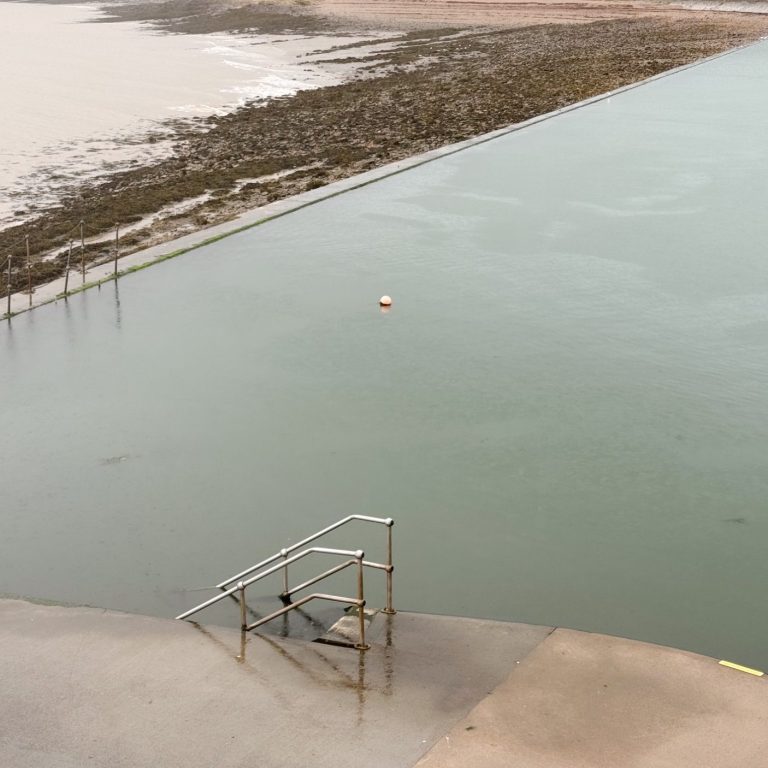
On the western edge of the front, Clevedon Marina Lake had a scattering of school boys splashing around, enjoying the twilight of their summer holidays as the next school year beckoned. A flash of lightning illuminated the sky and the lake soon emptied, sitting still as the thunder rumbled across it. The lake opened in 1929 as lidos were popping up along the British coastline; a popular activity until its eventual decline in the 70s and 80s. A new millennium brought some much needed lottery funding and it has been restored and is free to use. To note, it is worth checking out when new water is pumped in as those final days of the cycle are pretty ropey.
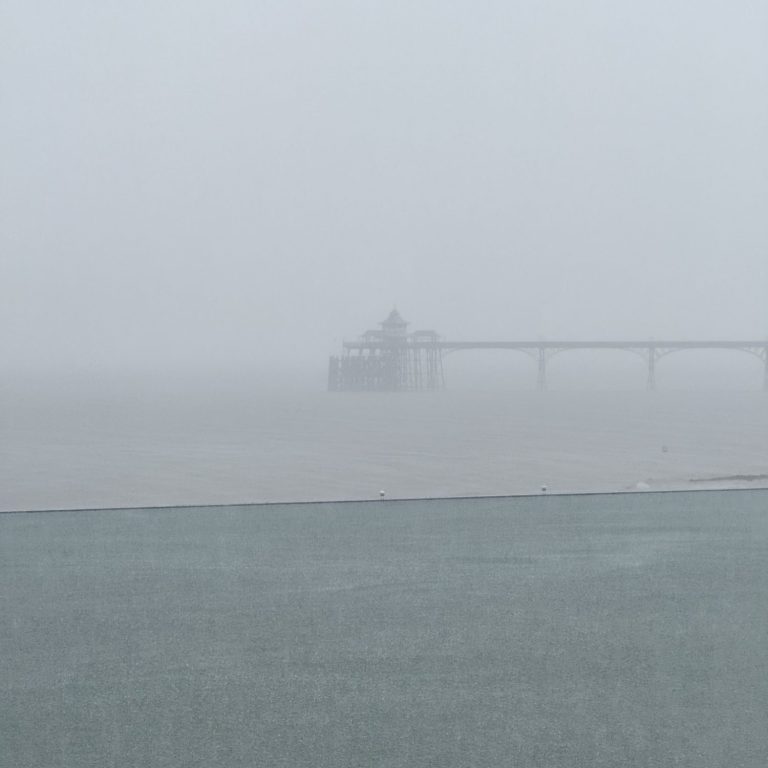
As the rain slapped the floor, sounding like the rhythmic beating of a snare drum, I made it to the mound of trees. The muddy trail snaked its way up the hill under a canopy, passing glimpses of the water and sheet mist. Pressing on, the trees parted, framing the brow of the hill that gazed upon St Andrews Church, a Gothic church with a graveyard unfurling to the cliffedge. By this point, my Gore-Tex coat could take no more and rivers of water flowed freely into my squelching shoes, so I turned around and tramped back to the town.
Clevedon sits on a hill and rolls down towards the shore, with grand Victorian and Georgian villas that line the front, built of local pennant sandstone and the contrasting honey-coloured Bath stone. The crazy golf clubs lie dry in the kiosk as the course fills with water, whilst the Suvi Sauna offers the swimmers a retreat from the unceasing lightning.
Back to my car, I changed into a dryer set of clothes and comfort came quickly. Despite being a short amble along the coastline, the soft grey backdrop, the heavy fall of rain, and the greenery beyond the marina has helped to find a small pocket of peace in my week.