The Shores of Stoke Park Estate
The roar of the waves accelerated before they crashed onto the sloping verdant hills of the Stoke Park Estate. My eyes opened onto the rush of traffic that cut through the southern gardens of the park, with thousands of dull yellow lights fading into the afternoon fog.
I had my heart set on my pair of comfy slippers. A 17 kilometer circular ridge walk at the far eastern point of the Brecon Beacons, on the border between England and Wales. Sadly the two raindrops and 40 miles per hour winds on the weather app pushed me in another direction. I decided to visit the Stoke Park Estate, which sits to the north of Bristol and has some stunning expansive greenery with views across the cityscape. More importantly, it’s just a 10 minute drive away from my home.
The sighing wind accompanied the soft crackle of rain that fell on slate tiles as I stuffed my two raindrop resistant clothing into a bag and left the apartment. I weaved through the rows of back-to-back Victorian housing, then slowly edged onto Muller Road as I passed families battling the rain whilst heaving their Sunday shopping across the carpark. I swiftly turned off, making a left and then a right, before pulling up the handbreak. The drizzle fell lightly, but I would not let the foreboding clouds deceive me, so I immersed myself in Gore-Tex before I shuffled my way up the hill to the sound of rubbing waterproof fabric.
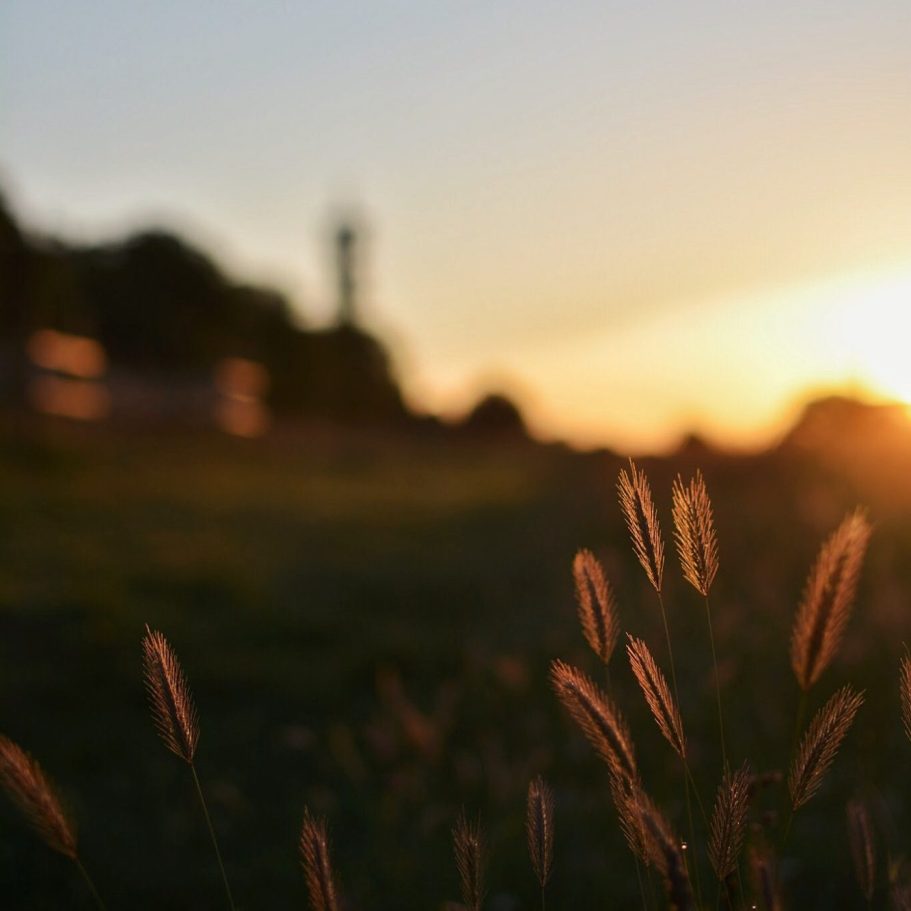
Opening the petite black gate that shouldered a tall grey stone wall, befitting some quaint Somerset country estate, I walked through and was transported somewhere very different. The noise first hit me. The traffic groaned as I realised the purpose of that wall. I could still see a glimpse of semi-detached 1930s homes that fell in moderate peace down the hill. In front of me, as I imagined the droan as rushing waves, the brow gave way to trees, reaching church spires, and a handful of high-rises that sat ungracefully above the streets of Fishponds and Frenchay on a soft backdrop of grey. It felt somewhat village-like, whilst I ambled through the long grass, amongst the recently planted saplings, as the gentle rain continued. The stone wall ended in favour of metal fencing, with flashes of colour that danced through the gaps, whilst the brutalist BT tower rose above it all. The concrete blocks that lie at the tower’s feet are old gun emplacements and bunkers, forming part of Bristol’s coastal defences in World War 2, but now burst with colour from decades of street art.
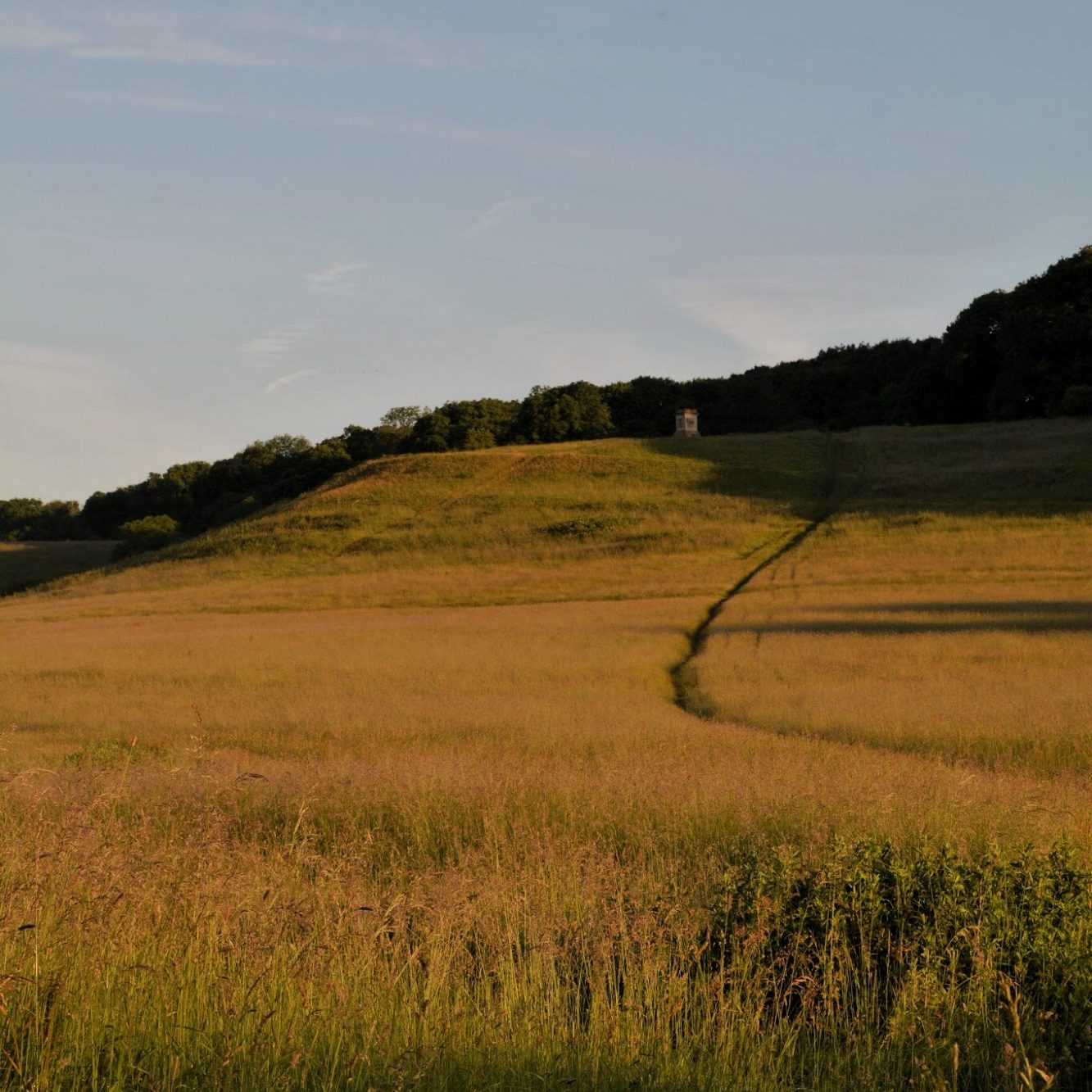
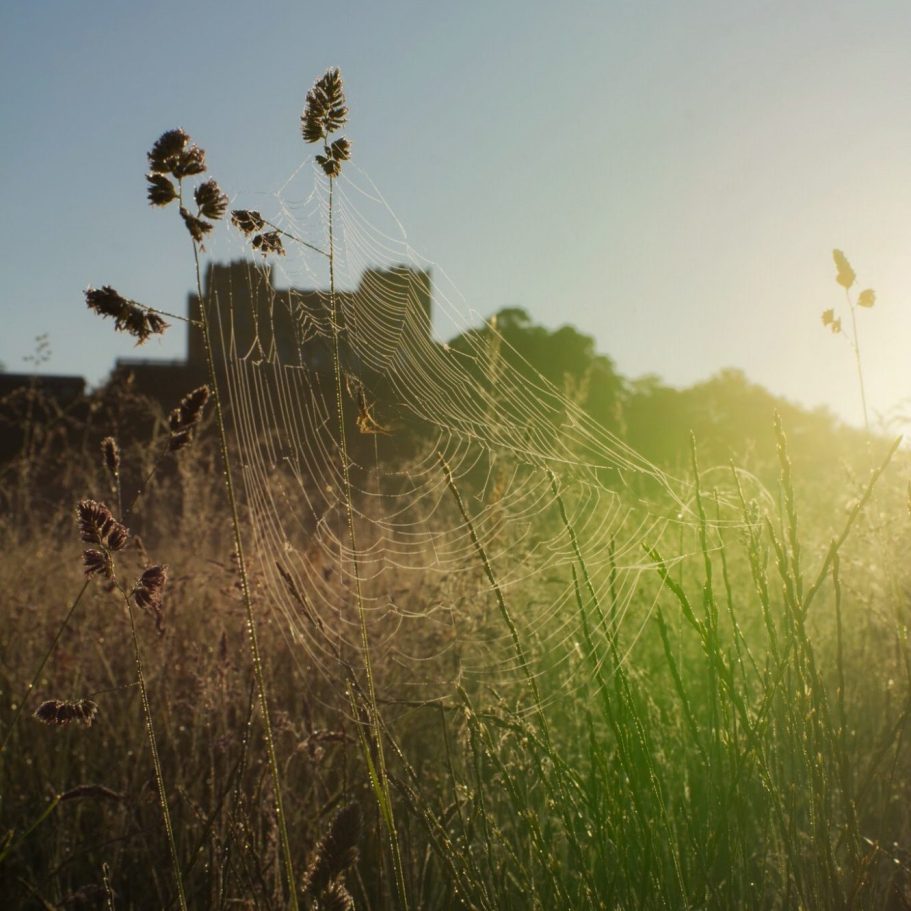
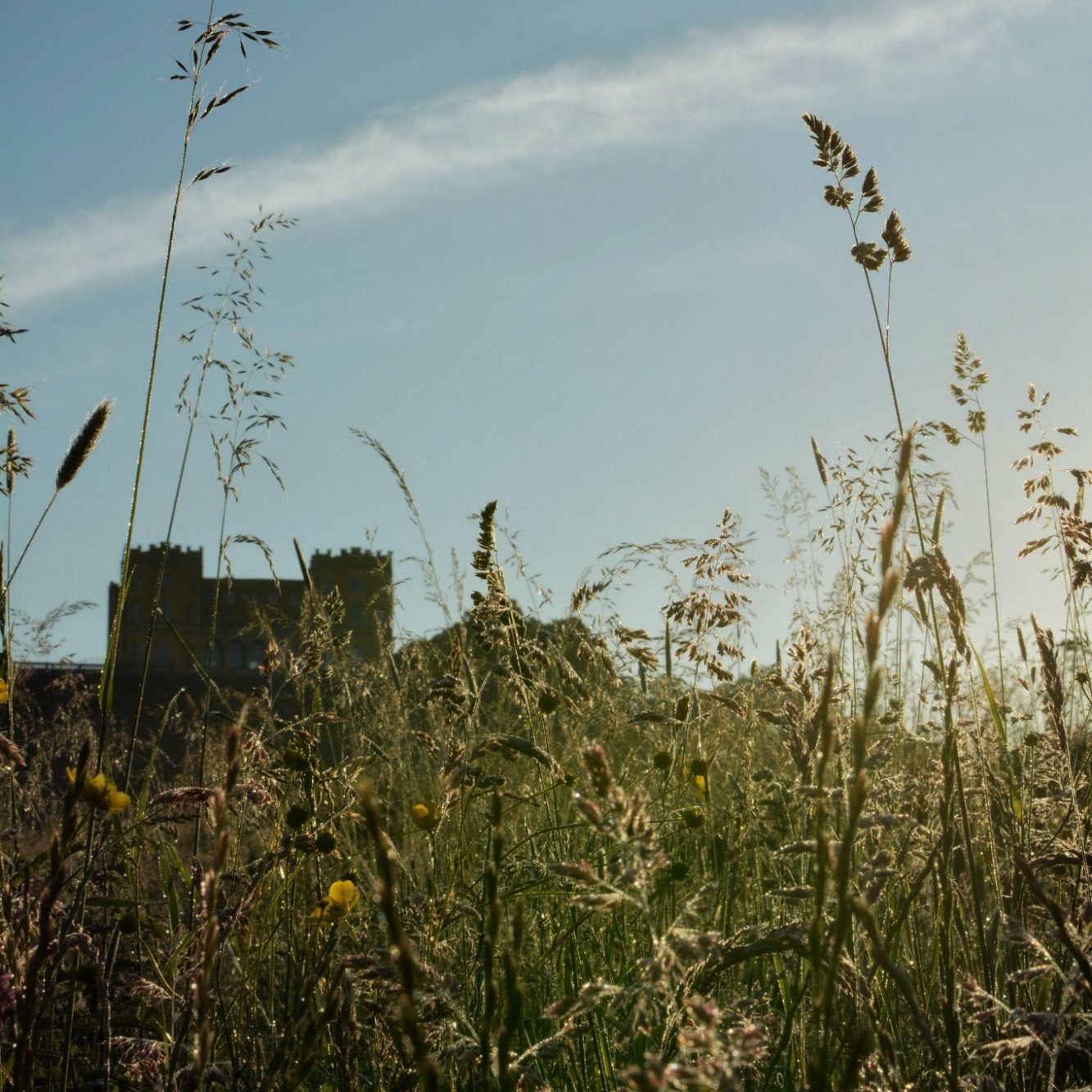
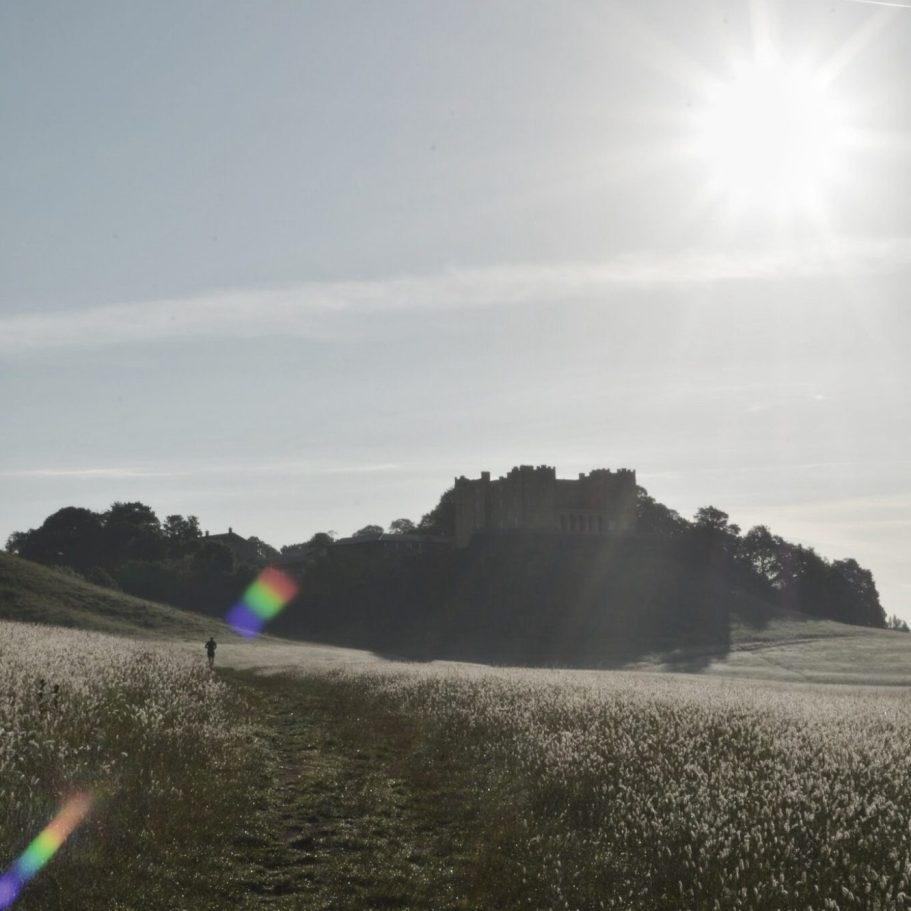
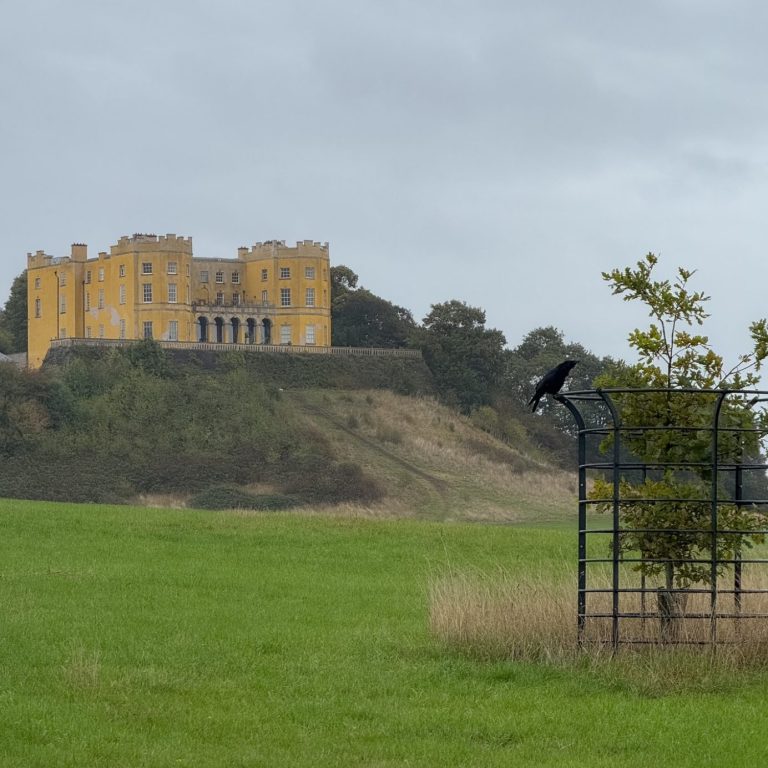
The hill rose then fell in the view of East Bristol, whilst the motorway came into view, snaking its way south. The grass slicked back in the rain as I trudged down the path to another gate, nodding to equally-soaked passers by. We shook off our city personas and were treated to a glimpse of countryside community. A short and stout monument was first spotted, sitting proudly above the valley, whilst the magnificent Dower House balanced the landscape to the west. The building looked like a chateau was moved brick by brick from deepest France, painted in a deep yellow ochre. Sir Richard Berkeley, MP for Gloucestershire, had it built in 1653 under the name Stoke Lodge, before it passed down to Norborne Berkeley in the 18th century who made extensive Gothic changes to the building, whilst Thomas Wright extensively landscaped the grounds. Elizabeth Berkeley, the Duchess of Beaufort, then inherited the estate, renaming the building Dower House. Through the last century, it has been a home for the care of people with learning difficulties, a WWII hospital, part of the National Health Service, and today, private apartments. Despite the rich ochre fading, it still has a sense of majesty as it sits proudly overlooking the gateway to Bristol.
My route descended into the valley between the monument and Dower House. The grass grew longer, the hedges were abuzz with squawking magpies and overripe blackberries, and the well trodden path of dogwalkers had split the green carpet, uncovering the sodden earth. I hopped over a turnstile and sat next to a small pond for a while, watching a family of moorhens crunch on the browning leaves of autumn.
I carried on with my route as the rain turned from a patter to a downpour, tramping the perimeter of the estate before looping back. The hill was constant and accompanied by a driving rain that found its way under my cap. The BT Tower revealed itself again and soon after, the stone wall accompanied my final few hundred meters. As I lookied out towards central Bristol, the highrises stood above the mist, like the superstructures of a ship, whilst the M32’s harsh cry rang out like a tempestuous sea.